
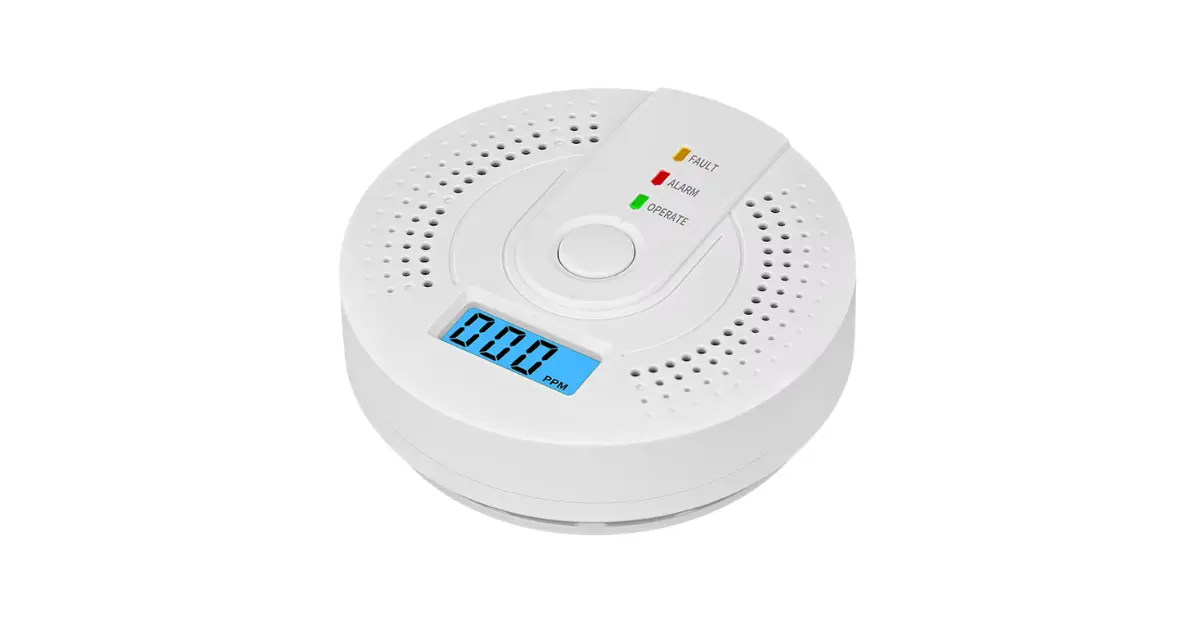
Carbon monoxide (CO) is an invisible, odorless killer—and with more connected homes and varied heating systems in 2025, choosing the right detector matters now more than ever. This guide from Nebula cuts through marketing noise to show which CO alarms combine reliable sensors, certification, and practical features like smart alerts and long-life power options. Whether you want a budget pick for a rental, a smart-integrated alarm for a connected home, or a top-tier unit for maximum peace of mind, you’ll find clear recommendations, buying criteria, and maintenance tips to keep your family safe. Read on to learn how detectors differ, what to prioritize, and which models earned our top picks.
What Is Carbon Monoxide?
Carbon monoxide (CO) is a colorless, odorless gas produced by incomplete combustion of fuels like wood, gas, coal, or oil. It’s extremely dangerous because it replaces oxygen in your bloodstream, causing dizziness, nausea, and—at high levels—can be fatal within minutes. Common household sources include gas stoves, heaters, fireplaces, and car exhaust. Because CO is undetectable by human senses, a reliable carbon monoxide detector is the only effective way to ensure early warning and protection for your home.
How Carbon Monoxide Detectors Work
Carbon monoxide detectors constantly monitor indoor air for traces of CO gas. When levels rise above safe limits, the device triggers a loud alarm to warn occupants. Most modern detectors use electrochemical sensors, which react to CO and send an electronic signal to activate the alarm.
Some advanced models feature smart connectivity, allowing you to receive alerts on your phone, view sensor history, or integrate with smart home systems like Google Home or Alexa. Others are battery-powered or plug-in units with simple LED indicators. Regardless of type, a good detector ensures continuous protection by detecting gas buildup long before it reaches dangerous levels.
Buyer’s Guide: What to Look For
Before choosing a carbon monoxide detector, consider these key factors to ensure safety, reliability, and convenience:
- Sensor Type
Look for electrochemical sensors — the most accurate and reliable for detecting CO levels in real time.
- Smart Features
Modern detectors with Wi-Fi or Bluetooth connectivity send alerts to your smartphone and can integrate with smart home systems for remote monitoring.
- Power Source
Options include battery-operated, plug-in, or hardwired models. Battery units are portable, while plug-in ones are easy to maintain.
- Certification
Ensure the detector meets UL (Underwriters Laboratories) or CSA safety standards — these confirm it’s tested for accuracy and durability.
- Installation Type
Choose models suited for your space — wall-mounted, ceiling-mounted, or portable — and place one on each floor of your home.
- Price & Warranty
Balance features with budget. Quality detectors typically last 5–7 years, so check warranty length and replacement policy.
Best Carbon Monoxide Detectors in 2025
Here are our top picks for reliable, accurate, and feature-packed CO alarms this year. Each option has been selected based on performance, certifications, ease of use, and smart functionality.
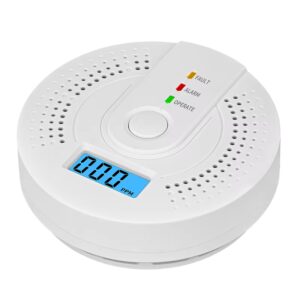
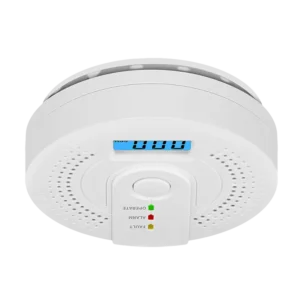
- Carbon Monoxide Detector Alarm – from Gadgets Nebula
Key Features:
- Electrochemical sensor for accurate CO detection
- Loud audible alarm (85 dB) + visual alert
- Plug-in or battery backup power setup
- Digital display for real-time CO levels
- Self-test and peak value memory function
Why it stands out:
- Reliable protection from carbon monoxide at a value price
- Well suited for everyday home use (bedrooms, kitchens, living areas)
- Compact design fits cleanly into modern home setups
- Carbon Monoxide Detector Alarm LN-806
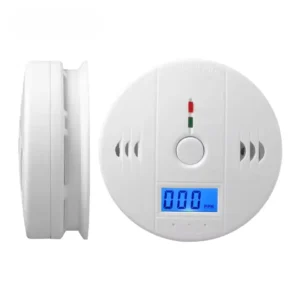
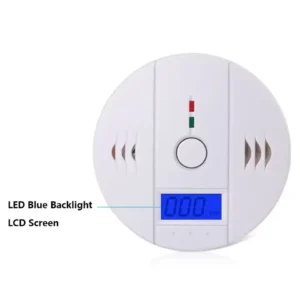
The LN-806 Carbon Monoxide Detector is a smart safety device designed to protect your home from dangerous CO leaks. Featuring a clear LED digital display, it continuously monitors air quality and triggers a loud 85dB alarm when harmful gas levels are detected.
- High Sensitivity Detection: Alerts at 50ppm (60–90 min), 100ppm (10–40 min), and 300ppm (within 3 min).
- Audible & Visual Alerts: 85dB alarm with flashing red LED.
- Low Battery Warning: Audible chirp and “Lb” indicator on screen.
- Easy Testing: Test button ensures proper functionality.
- Simple Installation: Mount 30cm below ceiling; ideal for kitchens and bedrooms.
- Battery Powered: Uses 3×AA batteries (not included).
- Compact Design: 10cm diameter × 3.8cm height.
Top 5 Mistakes People Make with Carbon Monoxide Detectors
- Installing too close to cooking appliances.
- Not replacing old or expired detectors.
- Ignoring low battery warnings.
- Failing to test monthly.
- Assuming smoke detectors detect CO (they don’t).
Avoid these mistakes to ensure maximum safety and reliable detection.
FAQ
Install carbon monoxide detector near sleeping areas and common rooms where you spend the most time. Avoid corners or areas with poor airflow. For best results, mount the detector 30cm below the ceiling or on the ceiling itself. Keep it away from gas stoves, heaters, or ventilation fans to prevent false alarms.
Place one detector on each floor of your home, including the basement. Mount it near bedrooms, in the living room, and close to the garage entrance if applicable. Carbon monoxide spreads evenly through the air, so detectors should be positioned at breathing height and not blocked by furniture.
Evacuate immediately — move everyone outdoors or to fresh air.
Call emergency services to inspect for CO leaks.
Do not re-enter until the area is declared safe.
If the alarm continues after inspection, replace the batteries or the device (if expired).
Both KD-16 and LN-806 include test buttons and LED indicators for checking device status.
1. Press and hold the test button for a few seconds.
2. The alarm should sound a loud 85dB signal and flash red LEDs.
3. If no sound occurs, replace the batteries and retest.
4. For reliability, test the alarm once a month.
A carbon monoxide detector senses odorless CO gas produced by fuel-burning appliances, while a smoke detector senses visible smoke from fire.
For complete home safety, install both devices — preferably interconnected for simultaneous alerts.
Carbon monoxide detectors generally last 5 to 7 years. Check the manufacturing or expiration date printed on the back. Replace immediately if the sensor expires, the alarm becomes unresponsive, or constant false alarms occur.